When businesses decide to enter new overseas markets, their first instinct is often to translate their existing website into target languages. While direct translation is a vital baseline, it rarely drives the sales conversions and brand loyalty that companies expect.
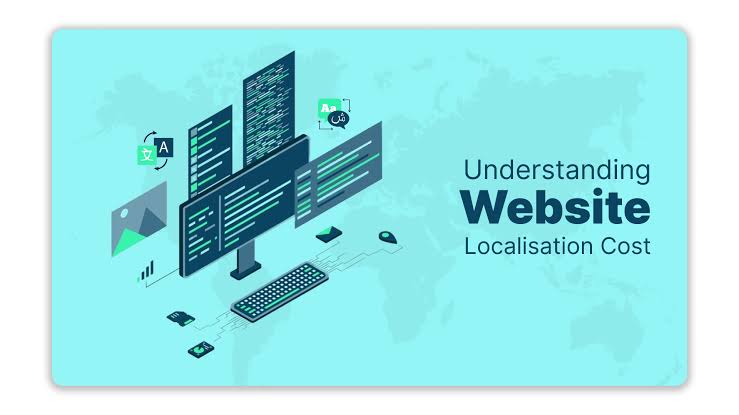
To truly resonate with global audiences, businesses must look beyond literal translation and invest in comprehensive website localization.
What Is the Difference Between Translation and Localization?
Understanding the distinction between these two processes is key to building an effective international market entry strategy.
-
Translation is the process of converting written text from one language to another while maintaining the original meaning and grammatical structure.
-
Localization (l10n) adapts the entire user experience—including content, visual elements, payment options, currencies, date formats, and regulatory requirements—to suit the cultural and functional expectations of a specific target market.
While translation makes your words legible, localization makes your entire brand feel native to the local consumer.
Key Pillars of a Complete Website Localization Strategy
A robust localization framework spans across technical, cultural, and visual elements of your digital presence.
1. Cultural Adaptation and Local Nuance
Direct translations often miss local idioms, tone of voice, and cultural sensitivities. A slogan or marketing phrase that performs well in English may sound offensive or confusing in Japanese or German. Localization refines the message so that it aligns with regional customs, consumer values, and buying habits.
2. Technical UI/UX Optimization
Different languages consume varying amounts of screen space. For instance, German text often expands by up to 30% compared to English, while Arabic and Hebrew require complete right-to-left (RTL) layout mirroring. Localization ensures that UI components, buttons, menus, and forms render cleanly without breaking the website's design.
3. Multilingual SEO & Search Intent
International users rarely search for products using direct translations of your primary English keywords. Localization involves local keyword research to identify the precise search terms native speakers use, tailoring meta titles, descriptions, and hreflang tags to rank competitively on local search engines like Baidu, Yandex, or regional Google domains.
4. Regional Compliance and Functional Features
A fully localized website adapts critical functional touchpoints, including:
-
Payment Gateways: Supporting regional payment preferences (e.g., iDEAL in the Netherlands, Pix in Brazil, or Alipay in China).
-
Compliance Standards: Complying with local data privacy mandates such as the GDPR in Europe or the APPI in Japan.
-
Customer Support Integration: Providing localized FAQs, contact details, and customer service channels.
The Business Impact of Localizing Your Website
Investing in localized digital touchpoints yields measurable business benefits:
-
Higher Conversion Rates: Consumers are significantly more likely to complete a purchase when product information, checkout flows, and customer support are in their native language.
-
Lower Bounce Rates: A seamless, culturally adapted UI keeps visitors engaged longer, establishing trust immediately upon landing on your site.
-
Accelerated Market Penetration: Localized websites bypass the friction of cross-border commerce, allowing brands to establish local credibility faster.
Partner with Translok for Global Digital Expansion
Translating your digital footprint is the first step, but localization is what builds long-term international growth. At Translok Language Services, we combine native linguistic expertise with technical localization engineering to help you deploy websites, software, and mobile apps that resonate worldwide.
Connect with our localization specialists today to prepare your digital platforms for international scale.
SEO Metadata
-
Primary Keywords: website localization services, website translation vs localization, multilingual SEO, international UX localization, software localization
-
Meta Title: Website Localization vs. Translation: How to Scale Globally | Translok
-
Meta Description: Learn the key differences between website translation and localization, and discover how to adapt your digital platforms to drive global conversions with Translok.